



extended car warranty policies explained for confident decisions

Clear coverage. Predictable costs. Fewer surprises. That is the point.

Core idea

An extended policy is a service contract that steps in after the factory warranty ends or alongside it for specific components. It converts uncertain repair risk into a planned payment. Trust grows when the terms are plain and the process is repeatable. Result: the car gets fixed, you keep moving.

Coverage anatomy

  • Powertrain: engine, transmission, drivetrain.
  • Stated-component: a list of covered parts; if not listed, it is excluded.
  • Exclusionary: everything is covered except what is excluded; clearer for many drivers.
  • Add-ons: roadside, rental, trip interruption, electronics bundles.

Coverage tiers

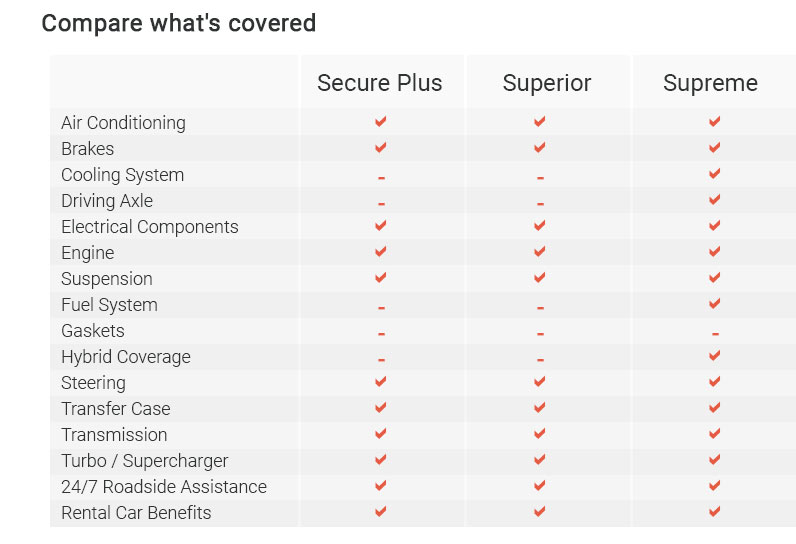
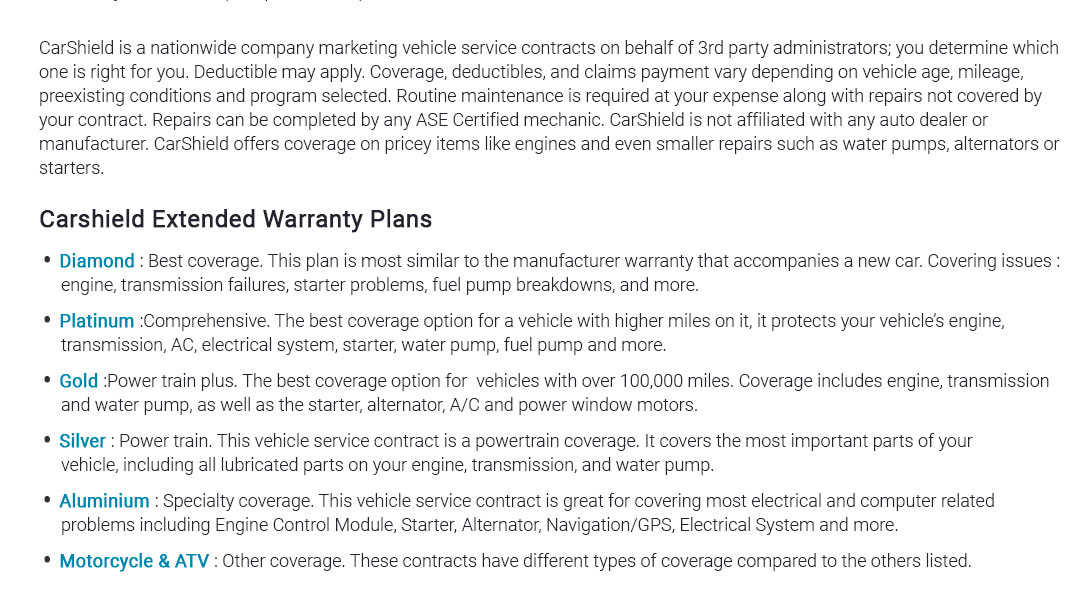
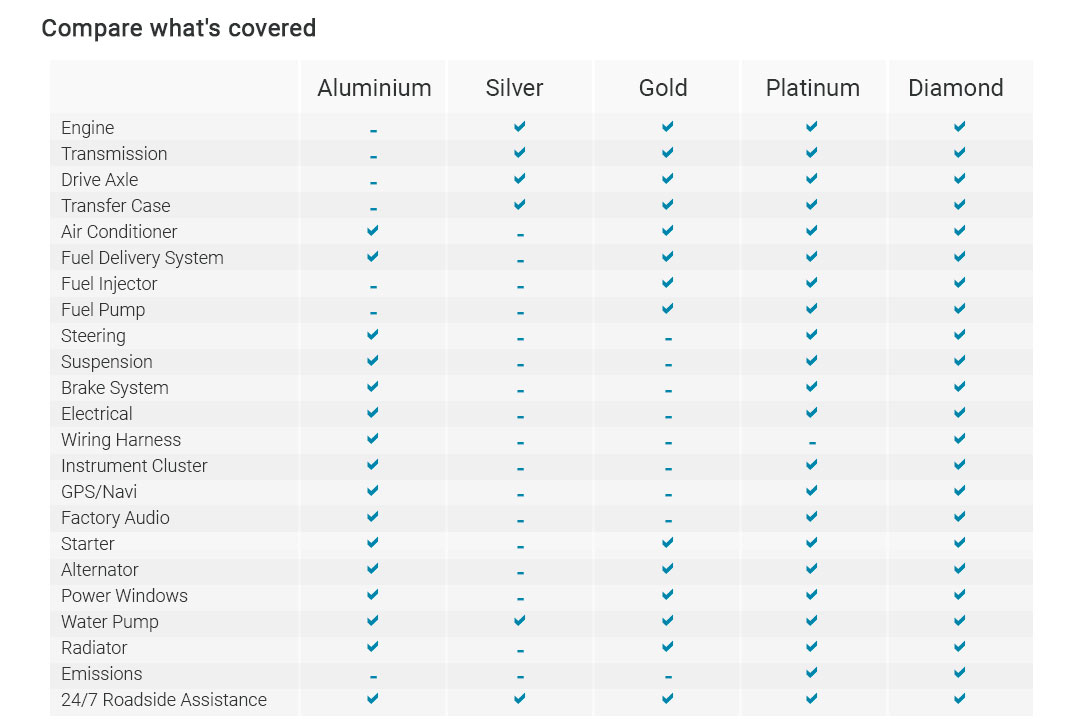
  • Basic: major failures only; lowest cost.
  • Balanced: adds fuel, cooling, steering, suspensions.
  • Comprehensive: closest to bumper-to-bumper, still with exclusions.

What is not covered

  • Wear items: pads, rotors, wipers, tires, clutches.
  • Maintenance: fluids, filters, scheduled services.
  • Pre-existing or uncovered failures, neglect, overheating from low fluids.
  • Cosmetics: trim, upholstery, paint, glass unless specified.
  • Aftermarket mods unless the policy allows them.

Costs and math

  • Price: total contract cost or monthly installments.
  • Deductible: per visit or per repair; affects premium.
  • Limits: total cap, per-component cap, labor rate max.
  • Term: years and miles; starts at in-service or purchase date depending on policy.
  • Waiting period: mileage/time before first claim.

Small pause: read the sample contract once. Quietly note definitions.

Workflow: selection

  1. List your car's known risks by engine/transmission and mileage.
  2. Get the VIN and current mileage; request a written sample contract for that exact vehicle.
  3. Check administrator rating, licensure, and claim payment history.
  4. Confirm labor rate coverage at shops you would actually use.
  5. Choose deductible style; run a 3-year cost-of-ownership scenario.
  6. Verify transferability, cancellation window, and refund terms.

Using the policy

Follow the process; it keeps approvals fast.

  1. Breakdown occurs. Stop driving if failure may worsen.
  2. Take the car to an approved shop or any licensed shop if allowed.
  3. Have the shop call the administrator before repairs for authorization.
  4. Diagnostic is reviewed; the adjuster may inspect.
  5. Approved parts/labor are authorized; you pay the deductible and any non-covered items.
  6. Keep receipts and authorization numbers.

Real moment: the starter clicks on a cold Monday. You hand the service writer your policy card; they call, claim authorized, new starter installed by lunch. Back to work.

Trust signals

  • Written, VIN-specific contract with clear exclusions.
  • Direct-pay network to the shop; minimal reimbursement hassle.
  • Parts quality defined: new, reman, OE-equivalent.
  • Roadside and rental terms that match your commute distance.
  • Documented claim timelines and escalation path.

Edge cases and tips

  • High mileage: consider shorter terms and higher deductibles.
  • Luxury and turbo cars: verify labor rate ceilings.
  • Rideshare or commercial use: ensure the contract explicitly allows it.
  • Maintenance records: keep them; coverage depends on them.
  • Mods: disclose. Silence creates denials.

Compare options, then decide

If it fits your plan, compare an OEM-backed contract, a third-party administrator policy, and any credit union offerings. Match term to how long you will keep the car, not how long you might.

Quick checklist

  • Coverage type and key exclusions understood.
  • Labor rate and diagnostic coverage verified.
  • Deductible style chosen and total cost modeled.
  • Claim steps saved in your phone.
  • Cancellation, refund, and transfer terms noted.

Keep it simple. Choose for trust. Measure by result.

https://www.cars.com/car-warranty/money/best-extended-car-warranty-plans/
What Does an Extended Warranty Cover on a Car? Generally, extended warranties cover mechanical breakdowns and failures that occur due to normal ...

https://www.edmunds.com/auto-warranty/understanding-extended-warranties.html
An extended warranty is actually an insurance policy on your vehicle, a safeguard against expensive, unforeseen repairs.

https://www.cartalk.com/extended-warranties/understanding-extended-warranty-laws-state-by-state-guide
Extended warranties must, at minimum, be returnable at any time for a pro-rated refund, minus any claims paid and at most, a 10% administrative ...


atwratnwm
4.9 stars -1900 reviews